Preparation First
The ayahuasca diet is not about perfection. It is a practical safety practice, and at Camino al Sol our team walks you through the preparation process before you arrive.
Safety first
- Disclose medications
- Review mental health
- Avoid alcohol and drugs
- Do not hide symptoms
What to eat
- Rice, oats, quinoa
- Plantain and yuca
- Fresh vegetables
- Simple soups
What to avoid
- Aged cheese
- Cured meats
- Fermented foods
- Energy drinks
Best timing
- 2–4 weeks for screening
- 2 weeks to simplify
- 1 week to tighten
- 24–48h to go light
Quick Visual Guide
Ayahuasca Diet Preparation
Simple ayahuasca diet guide showing what to eat, what to avoid, and how to prepare safely before ceremony.
Preparing properly supports safety, clarity, and responsible participation. Learn how preparation connects to your full experience in our Ayahuasca Retreat Medellín.
FAQ Index
Jump to a section
Open a topic to preview the questions inside, then jump to the full answers below.
If you have been researching ayahuasca preparation, you have probably noticed the problem: conflicting advice, vague checklists, and no clear answer on what actually matters for safety.
Some lists are simple. Others make it sound like one wrong meal will ruin everything. Some people talk only about food. Others add sex, social media, coffee, salt, pork, cannabis, supplements, and spiritual purity until the whole thing feels impossible.
The truth is more grounded.
The ayahuasca diet is not a purity test. It is a practical preparation process that can reduce avoidable physical strain, help your nervous system settle, and support clearer participation in ceremony. Food matters, but it is only one part of preparation. Honest screening, medication review, emotional readiness, and integration planning matter just as much.
This page is educational and does not replace medical advice. Do not stop or change medication without speaking with a qualified medical professional.
At Camino al Sol, in the mountains of Antioquia near Medellín, preparation is treated as part of the retreat process, not as a last-minute checklist. In Colombia, the medicine is often called yagé. Many international visitors search for ayahuasca, so we use both words here.
The goal is not to become perfect or pure. The goal is to arrive clear, honest, and safe enough to participate responsibly.
What the ayahuasca diet actually means
The word "diet" is an imperfect translation.
In many Amazonian contexts, dieta means more than food. It can include lifestyle restrictions, sexual abstinence, isolation, emotional restraint, prayer, intention, and work with specific plants under the guidance of a traditional practitioner.
In deeper plant-dieta traditions, the process may last days, weeks, months, or longer. Some dietas involve isolation, very simple food, plant preparations, and strict guidance from a curandero, taita, or maestro vegetalista. That is not the same thing as a short pre-retreat ayahuasca diet.
For international guests, this distinction matters. You may read one source that says to avoid salt, fruit, oil, sex, spices, meat, sugar, and almost everything else for weeks. Another source may focus mostly on alcohol, recreational drugs, medication, and a few high-tyramine foods. Both may come from real contexts, but they are not always talking about the same practice.
For a short retreat preparation period, the main focus is usually:
- simple, fresh food
- fewer processed meals
- avoiding alcohol and recreational drugs
- avoiding aged, fermented, cured, spoiled, or overripe foods close to ceremony
- reducing caffeine and stimulants
- reviewing medications and supplements
- sleeping better
- lowering overstimulation
- setting honest intentions
In Colombian yagé settings, preparation can be grounded and practical rather than extreme. That does not mean casual. It means the rules should have a purpose.
Why preparation matters before ceremony
Ayahuasca and yagé are not ordinary beverages. They contain active compounds that affect the body and mind.
The vine used in ayahuasca, Banisteriopsis caapi, contains beta-carboline alkaloids such as harmine and harmaline. These compounds have monoamine oxidase inhibitor activity, often described as MAOI activity. A Frontiers pharmacology review discusses these plant-derived beta-carbolines and explains why ayahuasca is treated differently from ordinary food or tea.
The food conversation often focuses on tyramine. Tyramine can be higher in foods that are aged, fermented, cured, spoiled, or overripe. In people taking certain pharmaceutical MAOIs, high-tyramine foods can create serious blood pressure risk. General MAOI guidance from the Mayo Clinic and low-tyramine diet guidance from Health Queensland both point to aged, fermented, cured, overripe, or spoiled foods as categories to treat carefully.
Ayahuasca is not identical to older prescription MAOIs. The harmala alkaloids in ayahuasca are often discussed as reversible MAO-A inhibitors, so the tyramine question is more nuanced than many retreat-center lists suggest. Still, many traditional and retreat settings recommend avoiding high-tyramine foods before ceremony as a practical precaution.
That is sensible. People arrive with different bodies, different health histories, different medication use, and different sensitivities. Preparation reduces avoidable variables.
But food is not the biggest safety issue.
The bigger concern is medication and substance interaction. Certain antidepressants, stimulants, opioids, psychiatric medications, recreational drugs, and supplements may be unsafe with ayahuasca. Psychiatric history, cardiovascular issues, pregnancy, breastfeeding, recent withdrawal, and acute illness also require careful review.
Preparation matters because it can:
- reduce digestive heaviness
- reduce nausea, reflux, and discomfort
- support steadier sleep
- lower alcohol and drug-related risk
- reduce nervous system activation
- make emotional preparation more honest
- help the retreat team assess suitability more clearly
It does not remove all risk. It does not make ayahuasca safe for everyone. It does not replace screening.
The three levels of preparation
Not every preparation rule belongs in the same category.
This is where many ayahuasca diet articles create confusion. They put medication, pork, coffee, sex, cheese, cannabis, salt, and social media into one flat list, as if every rule has the same safety weight.
A clearer approach is to separate preparation into three levels.
Level 1: Non-negotiable safety preparation
This is the most important level.
It includes medication review, supplement disclosure, psychiatric history disclosure, cardiovascular condition disclosure, blood pressure concerns, pregnancy or breastfeeding disclosure, recent alcohol or drug use, recreational drug avoidance, and not hiding prescriptions.
If you are in crisis, experiencing suicidal thoughts, psychosis, chest pain, severe withdrawal, or another urgent medical issue, seek emergency care immediately.
If you remember one thing from this article, remember this: do not hide medication use.
Food mistakes are usually easier to discuss than undisclosed medication, psychiatric history, or substance use. If you take anything regularly, even if it feels unrelated, disclose it during screening. You can read more about Camino al Sol's ayahuasca safety guidelines or apply for screening before making travel plans.
Level 2: Strongly recommended diet preparation
This is the practical ayahuasca preparation diet most people mean when they ask what to eat before ayahuasca.
It usually includes avoiding alcohol, avoiding recreational drugs, avoiding aged or fermented foods close to ceremony, reducing caffeine, simplifying meals, eating fresh food, and avoiding very heavy, greasy, spicy, or ultra-processed food close to ceremony.
This level is about lowering avoidable strain. It helps the body arrive lighter and steadier.
Level 3: Tradition-specific or retreat-specific restrictions
Some rules are important in specific lineages or retreat contexts, but they should not always be presented as universal medical laws.
These may include sexual abstinence, avoiding pork or red meat, avoiding salt, reducing sugar, avoiding spicy food, limiting intense exercise, reducing social media, or avoiding emotional conflict where possible.
These can matter. But they matter within a context. A Colombian yagé retreat may give different guidance from a Peruvian plant dieta. A short retreat preparation diet may look different from a long isolation dieta.
The best rule is simple: follow the guidance of the people holding the ceremony, and ask if something is unclear.
Guided preparation
Ready to prepare with guidance?
Before anyone books, our team reviews medications, health history, and retreat fit so you are not navigating preparation alone.
What to eat before ayahuasca
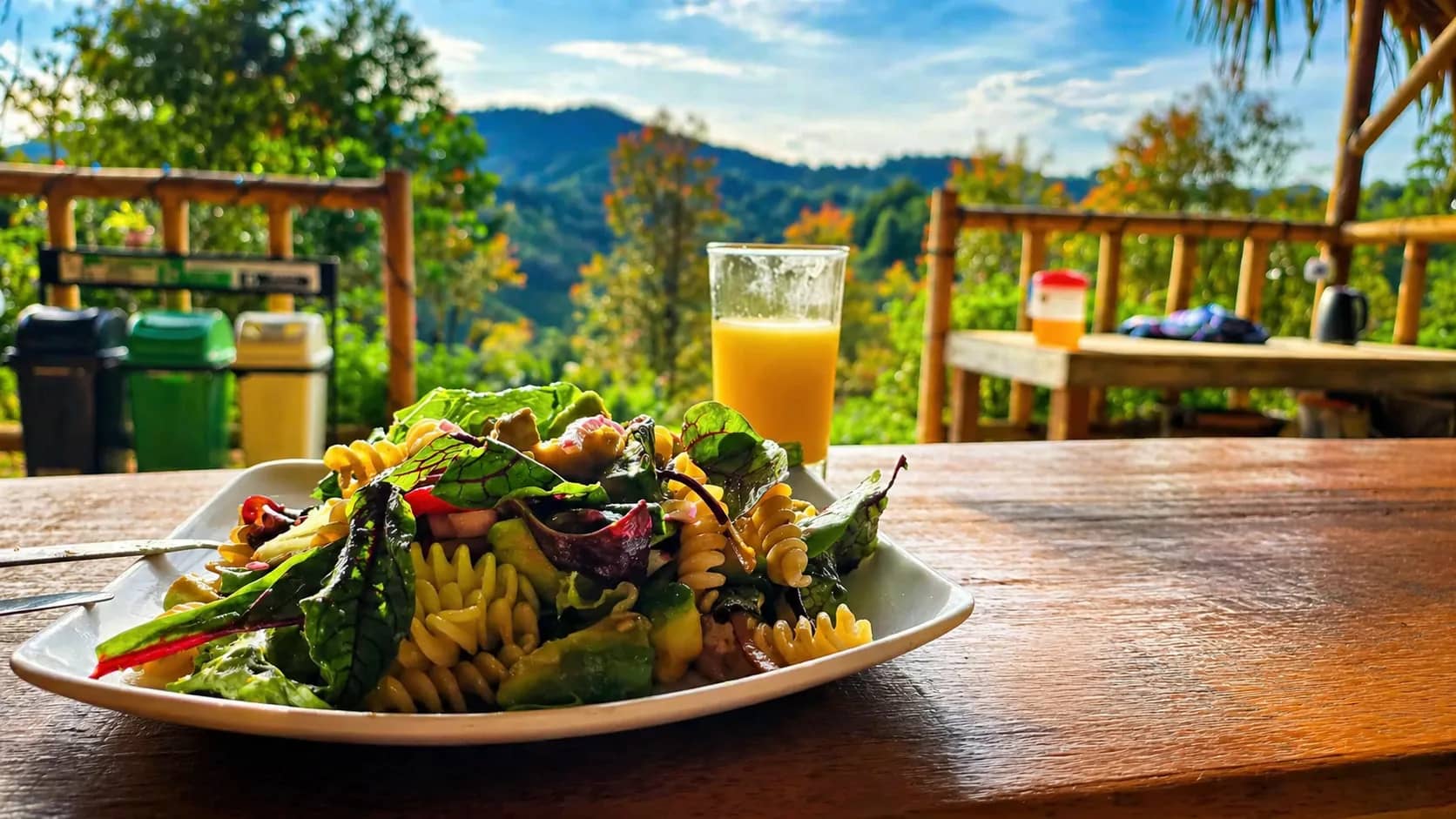
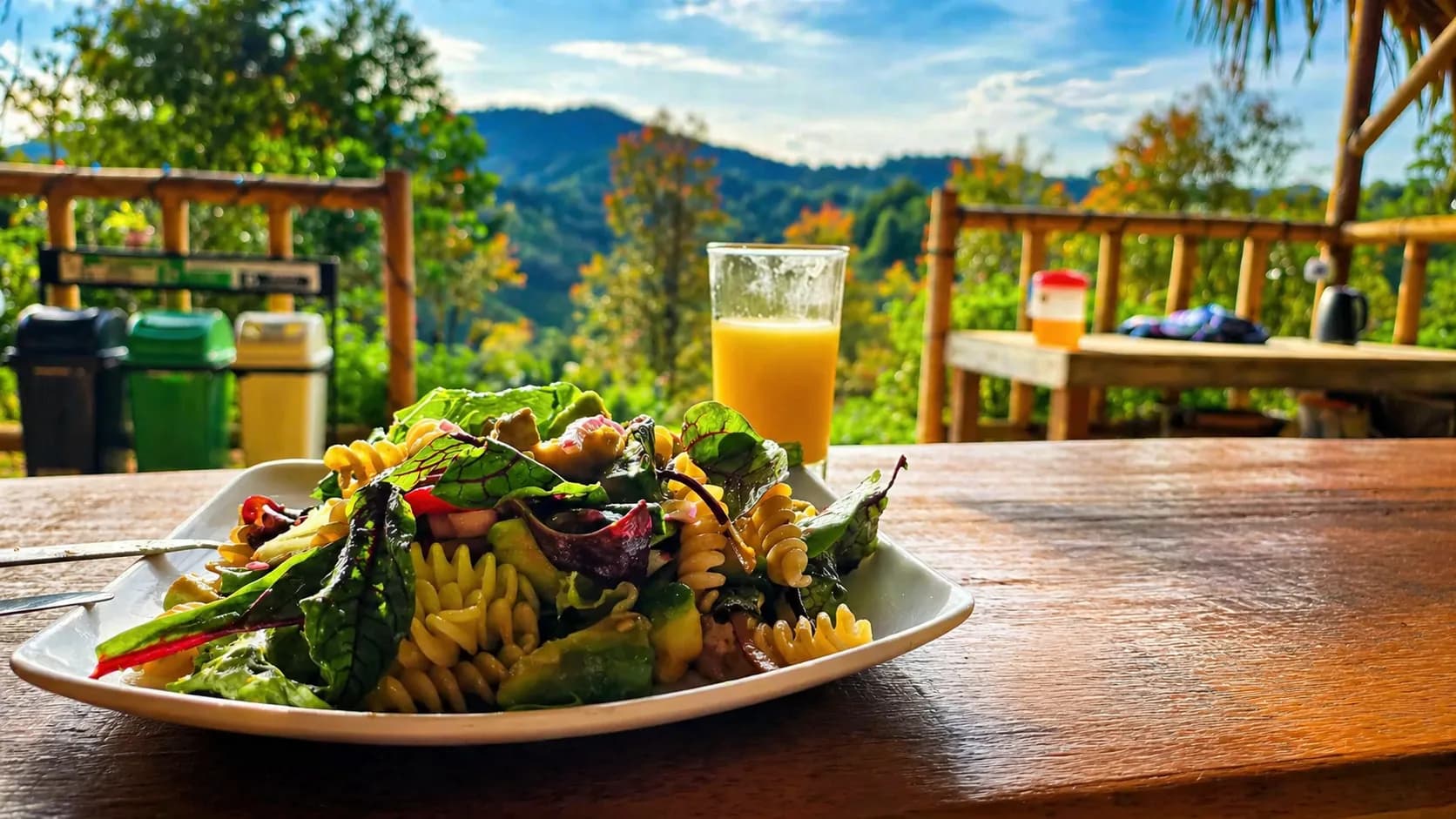
At Camino al Sol, preparation is not about starving yourself. It is about choosing simple food that is easy to digest.
Good preparation food is usually fresh, plain, and familiar. This is not the time to experiment with an extreme cleanse, a new supplement protocol, or unfamiliar superfoods.
Use these examples as a direction, not a punishment system.
Good foundation foods
- rice, quinoa, and oats
- plantain
- yuca or cassava
- potatoes and sweet potatoes
- fresh vegetables
- simple soups
- fresh fruit
- avocado
- fresh herbs
- eggs, if tolerated and allowed by the retreat
- fresh fish, if tolerated and allowed by the retreat
- herbal teas such as mint, chamomile, or ginger in moderation
- clean water
If you are traveling in Colombia, plantain, yuca, rice, potatoes, avocado, fresh fruit, and simple soups are usually easy to find. That makes preparation more realistic.
Simple meal ideas
Breakfast can be oatmeal with banana, cooked plantain with eggs, rice porridge with fruit, or fruit with oats.
Lunch can be rice with vegetables and avocado, quinoa soup with herbs, fresh fish with yuca and salad, vegetable soup with plantain, or potatoes with steamed vegetables.
Dinner should usually be lighter, especially in the final days before ceremony. Light soup, steamed vegetables with rice, boiled potatoes, sweet potatoes, cooked plantain, or a small portion of fresh protein may be enough.
If you normally drink a lot of coffee, do not assume that stopping abruptly the day before ceremony is the best option. Sudden caffeine withdrawal can bring headaches, irritability, and fatigue. Gradual reduction is often more realistic.
Travel snack ideas
If you are flying to Colombia or moving around Medellín before retreat, bring or buy simple snacks:
- bananas
- apples
- plain crackers
- cooked plantain
- simple rice cakes
- herbal tea bags
- a small portion of unsalted nuts, if tolerated and not overeaten
Do not overthink it. The point is to avoid arriving hungry, stressed, caffeinated, and full of airport food.
Foods to avoid before ayahuasca
The list of foods to avoid before ayahuasca can feel long, but it becomes easier when you understand the categories.
You are mostly avoiding foods that are chemically more complicated, harder to digest, more stimulating, or more likely to interfere with sleep, blood pressure, mood, or ceremony comfort.
Aged and fermented foods
Avoid or pause aged cheese, blue cheese, parmesan, cheddar, fermented soy sauce, miso, tempeh, kimchi, sauerkraut, kombucha, pickled fish, spoiled foods, and overripe foods.
These foods can be higher in tyramine, especially when aged, fermented, cured, or not fresh. Because ayahuasca contains MAOI-active compounds, avoiding these foods before ceremony is a common precaution.
This does not mean one accidental bite of cheese always creates an emergency. It means you should reduce avoidable risk and disclose anything unusual if it happened close to ceremony.
Cured, smoked, and processed meats
Avoid salami, pepperoni, bacon, sausages, smoked meats, cured meats, and old leftovers.
This is partly about tyramine and partly about digestion. These foods are heavier, saltier, more processed, and harder on the body. Fresh, simple food is easier to work with before ceremony.
Alcohol
Alcohol is one of the clearest things to stop before ceremony.
It affects sleep, mood, hydration, liver load, judgment, and nervous system stability. It can also be a sign that someone needs more support before entering a deep ceremonial process.
If stopping alcohol is difficult, that is important information to discuss before applying. Do not hide it. The point is not shame. The point is safety.
Recreational drugs and cannabis
Avoid recreational drugs before ayahuasca.
Cannabis is often treated casually, but it still affects mood, memory, sleep, anxiety, perception, and the nervous system. For some people, cannabis can also increase anxiety or make emotional processing less stable.
Other substances, including MDMA, cocaine, amphetamines, ketamine, opioids, and psychedelics, raise more serious concerns and must be disclosed during screening.
Do not try to "clear your system" with extreme detox methods. Be honest instead.
Caffeine and stimulants
Coffee is not the same category as contraindicated medication, but it still matters.
Caffeine can increase anxiety, body activation, sleep disruption, digestive sensitivity, heart rate, and restlessness. One small coffee several days before ceremony is usually not the same as using a contraindicated medication. But if you drink a lot of coffee every day, it is better to reduce gradually than to stop abruptly and arrive with withdrawal headaches.
Avoid energy drinks and stimulant products completely.
Heavy, fried, spicy, and ultra-processed foods
Close to ceremony, avoid fried meals, heavy oils, fast food, very spicy food, packaged snacks, large portions, rich sauces, and greasy restaurant meals.
These are not always dangerous in the same way medication interactions can be dangerous. But they can make nausea, reflux, heaviness, diarrhea, and discomfort more likely.
Excess sugar
Sugar is not the main safety issue, but reducing it can help stabilize energy, cravings, and mood.
Do not turn this into moral pressure. Just simplify.
Medication and supplement screening matters more than food perfection
This is the most important section of this article.
Do not stop or change medication because of an article online. Medication changes need to be discussed with a qualified medical professional. Some medications require tapering, and stopping suddenly can be dangerous.
Ayahuasca and yagé can interact with medications and substances. Some combinations may be unsafe. Some health histories may make participation inappropriate. Some people need more time, a different kind of support, or a clear "not now."
Categories that require careful review include:
- SSRIs
- SNRIs
- MAOIs
- tricyclic antidepressants
- lithium
- antipsychotics
- mood stabilizers
- stimulants
- ADHD medications
- opioids, especially tramadol
- dextromethorphan cough medicine
- migraine medications
- blood pressure medication
- heart medication
- sleep medication
- benzodiazepines
- MDMA
- cocaine
- amphetamines
- St. John's wort
- 5-HTP
- tryptophan
- kava
- kratom
- other supplements that affect mood, sleep, serotonin, blood pressure, or sedation
This list is not complete. That is why screening matters.
A person who ate cheese five days before ceremony but disclosed all medications is in a different situation from someone who followed the diet perfectly but hid an antidepressant, stimulant, heart medication, psychiatric history, or recent substance use.
The Global Ayahuasca Survey adverse effects paper reported that challenging physical and psychological effects are common enough to take preparation seriously, even when participants later interpret some challenges as meaningful. This is not a casual wellness activity.
If you are unsure whether something you take is relevant, disclose it before making travel plans. The purpose of screening before acceptance is not to judge you. It is to understand whether the retreat is appropriate for you. If any category here applies to you, start with screening before choosing dates.
“During the ceremony the entire staff worked in concert ensuring a safe, positive, peaceful and enriching experience.”
Josh B., 2024
Preparation Rhythm
Ayahuasca Diet Timeline
Use this as a simple countdown. Each phase removes interference and helps your body arrive lighter, steadier, and more receptive.
2–4 Weeks Before
- Begin screening
- Disclose medications and supplements
- Reduce alcohol, drugs, and caffeine
- Start simplifying food and sleep
2 Weeks Before
- Stop alcohol
- Stop recreational drugs
- Reduce processed meals
- Begin intention work
1 Week Before
- Avoid aged and fermented foods
- Reduce caffeine
- Keep meals simple
- Prioritize sleep
24–48 Hours Before
- Eat light: rice, vegetables, fruit
- Avoid heavy meals
- Drink water without overhydrating
If you're preparing for a ceremony in Colombia, understanding the full retreat structure is just as important as diet. See how preparation fits into our Ayahuasca Retreat Medellín experience.
The final 24–48 hours prepare your body directly for ceremony.
What if you ate or drank something you were supposed to avoid?
This is one of the most useful questions because people do make mistakes.
The answer depends on what happened, when it happened, how much, and your health context.
What if I drank coffee?
Do not panic.
One coffee several days before ceremony is usually not the same as taking a contraindicated medication. But if you drink a lot of coffee, tapering may be more realistic than stopping suddenly and arriving with withdrawal headaches.
If you had coffee close to ceremony, tell the retreat team and follow their guidance.
What if I ate cheese or fermented food?
Make a note of what you ate and when. Avoid repeating it.
If it was close to ceremony, tell the team. Do not hide it out of embarrassment.
What if I drank alcohol?
This matters more.
Be honest about quantity and timing. Depending on the situation, alcohol use may affect whether it is appropriate to participate.
If stopping alcohol is difficult, say that clearly during screening.
What if I used cannabis or another substance?
Disclose it.
The risk is not only physical. Cannabis and other substances can affect anxiety, memory, perception, emotional processing, and the ceremony itself.
Do not assume cannabis is irrelevant because it is legal or common where you live.
What if I forgot to mention medication?
Pause and disclose it before ceremony.
This is not the place to be embarrassed. Hidden medication use can create real risk.
If the retreat team needs to delay, adjust, or refuse participation, that is not punishment. It is responsible care.
Colombian yagé preparation vs stricter dieta traditions
In Colombia, ayahuasca is commonly called yagé.
Colombian Taitas may emphasize practical preparation, respect, intention, safety, and the relationship with the medicine rather than months of restriction. Other Amazonian traditions may involve stricter plant dietas with isolation, salt restriction, sexual abstinence, specific plant work, and very simple foods.
These differences do not mean one tradition is better than another. They mean context matters.
A short preparation diet before a retreat near Medellín is not the same as a full Amazonian master plant dieta. Do not flatten all traditions into one checklist.
At Camino al Sol, yagé preparation is grounded: simplify your food, be honest in screening, reduce substances and overstimulation, and arrive with respect. We do not treat the diet as a performance of spiritual purity. We treat it as part of responsible participation.
The best preparation is the one that fits the ceremony you are actually attending and the guidance of the people holding it.
Mental and emotional preparation
Diet is only one part of preparation.
You can eat perfectly and still arrive overstimulated, defensive, exhausted, or unclear about why you are coming. You can also eat simply and use the preparation period to slow down in a real way.
Mental and emotional preparation may include:
- reducing social media
- avoiding unnecessary conflict
- sleeping more consistently
- journaling
- spending time in silence
- walking outside
- noticing anxiety without feeding it
- reflecting on your intention
- planning support after retreat
An intention is not a demand. It is a direction you bring into the process.
Useful prompts:
- What am I ready to look at honestly?
- What am I hoping will change?
- What am I afraid of?
- What support will I need afterward?
- What am I willing to take responsibility for?
- What would it mean to approach this with humility?
Do not force a perfect intention. Simple is enough.
"I want to listen."
"I want to be honest with myself."
"I want to understand what I am carrying."
That can be enough.
If you are unsure whether this is the right time, read Am I Ready for Ayahuasca?.
Preparing while traveling to Colombia
Travel is part of preparation.
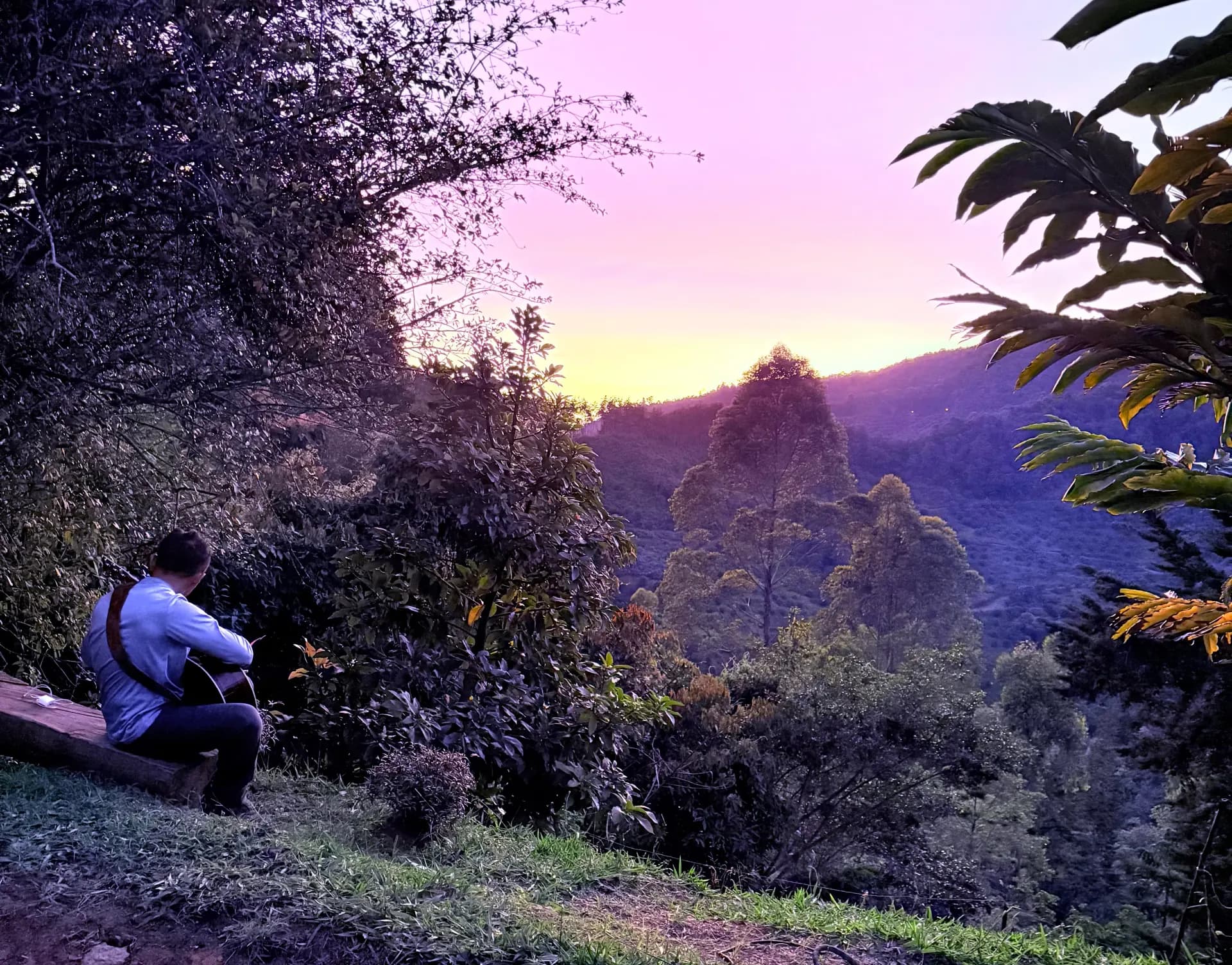
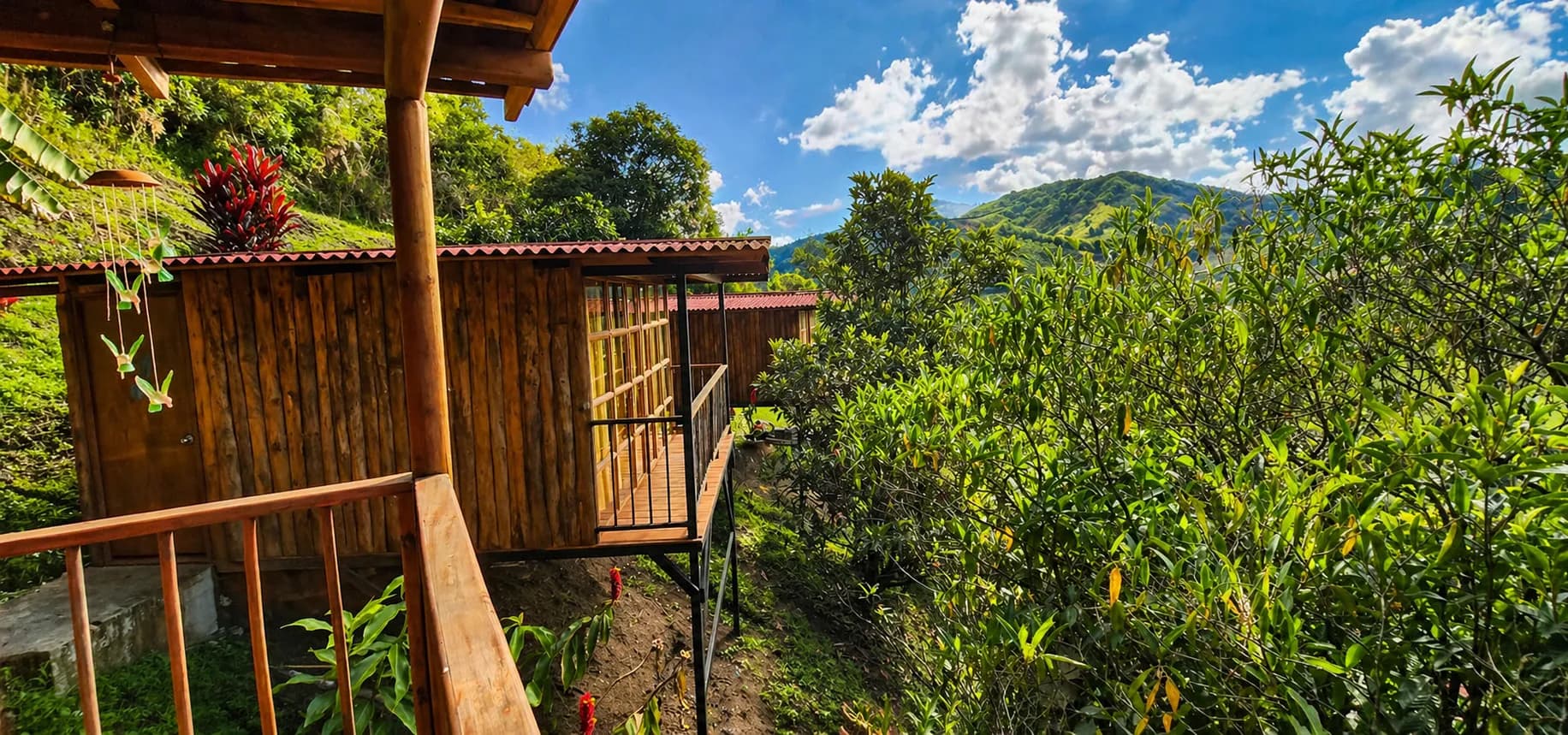
Camino al Sol is in the mountains of Antioquia, accessible from Medellín and the airport. That transition from city, airport, and movement into mountain stillness matters.
If you are flying internationally, give yourself enough time to rest before retreat if possible. The body may already be dealing with long flights, poor sleep, airport food, dehydration, altitude changes, and stress.
Practical travel tips:
- avoid alcohol on the flight
- avoid heavy airport meals
- bring simple snacks
- do not try new supplements before travel
- do not begin a harsh cleanse while traveling
- stay hydrated, but do not overhydrate
- reduce caffeine if you can
- avoid last-minute partying in Medellín
- plan transport so you are not rushing
- bring comfortable clothes
- keep medication documentation available
- tell the team if you develop fever, diarrhea, vomiting, chest pain, flu symptoms, or travel sickness
This is especially important if you arrive shortly before ceremony. Rushing, drinking, sleeping badly, and eating heavy food can affect how you enter the retreat.
If you are checking dates, transport, and retreat structure, see the retreat dates and Medellín retreat details. If your travel timing is close or uncertain, ask us on WhatsApp before you lock plans.
During the retreat: follow the actual instructions
This article gives general preparation guidance. It does not replace the instructions from the retreat team.
If the instructions you receive differ from something you read online, ask. Do not guess.
During retreat:
- follow the actual food guidance
- do not fast extra without guidance
- do not take supplements to intensify the ceremony
- do not use breathwork or other practices to force intensity unless guided
- do not hide symptoms
- do not treat vomiting as a goal
- do not compare your process to other participants
- tell the team about headaches, chest pain, fever, panic, confusion, or unusual symptoms
Preparation is not about hacking the medicine. More intense does not mean more healing.
What to eat after ayahuasca
Preparation continues after ceremony.
After ceremony, your body may want simplicity. Your mind may also need simplicity. Give yourself time before jumping back into alcohol, heavy food, intense work, or major decisions.
Good post-ceremony foods may include:
- soup
- rice and vegetables
- plantain
- yuca
- fruit
- potatoes
- herbal tea
- light proteins if tolerated
- clean water
Avoid rushing back into alcohol, recreational drugs, heavy fried food, very spicy meals, excess caffeine, overstimulation, or major life decisions made in emotional intensity.
The point is not to stay restricted forever. The point is to return slowly and notice what supports you.
Food can become part of integration because it teaches attention. You may notice cravings, habits, emotional eating, or the way your body responds to simplicity. That information can be useful if you work with it gently.
You can learn more about post-retreat care through Camino al Sol's integration support.
Simple ayahuasca diet checklist
Use this as a simple preparation guide. Your retreat's instructions should always take priority.
Eat more of
- rice, quinoa, and oats
- plantain, yuca, potatoes, and sweet potatoes
- fresh vegetables
- fresh fruit
- simple soups
- fresh herbs
- avocado
- herbal teas
- fresh fish or eggs if allowed and tolerated
Avoid
- alcohol
- recreational drugs
- aged cheese
- cured meats
- fermented foods
- spoiled or overripe foods
- heavy fried meals
- very spicy food
- ultra-processed food
- excess caffeine
- energy drinks
- new supplements or cleanses
Disclose before ceremony
- prescription medication
- psychiatric history
- heart or blood pressure conditions
- pregnancy or breastfeeding
- recreational substance use
- supplements
- recent illness
- recent alcohol or drug use
- anything you are unsure about
Preparing for ceremony at Camino al Sol
Preparing well is one part of participating responsibly.
At Camino al Sol, the process is not built around automatic booking. Participation depends on screening before acceptance. This matters because ayahuasca and yagé are not appropriate for everyone, and the diet alone does not make them safe.
Our retreat is held in a small-group setting in the mountains of Antioquia near Medellín. The process includes traditional Colombian yagé ceremonies, preparation, meals, accommodation, transport support, and integration support.
The preparation we encourage is simple:
- eat fresh, plain, easy-to-digest food
- avoid alcohol and recreational drugs
- reduce caffeine and overstimulation
- disclose medications and supplements
- be honest about mental and physical health
- arrive with respect
- plan for integration afterward
If you are considering yagé in Colombia, the next step is not just choosing dates. It is making sure the retreat is appropriate for you.
You can learn more about our ayahuasca retreat near Medellín, apply for screening, or ask us on WhatsApp before making travel plans.